Stamped Concrete Color Options: What Homeowners Should Know
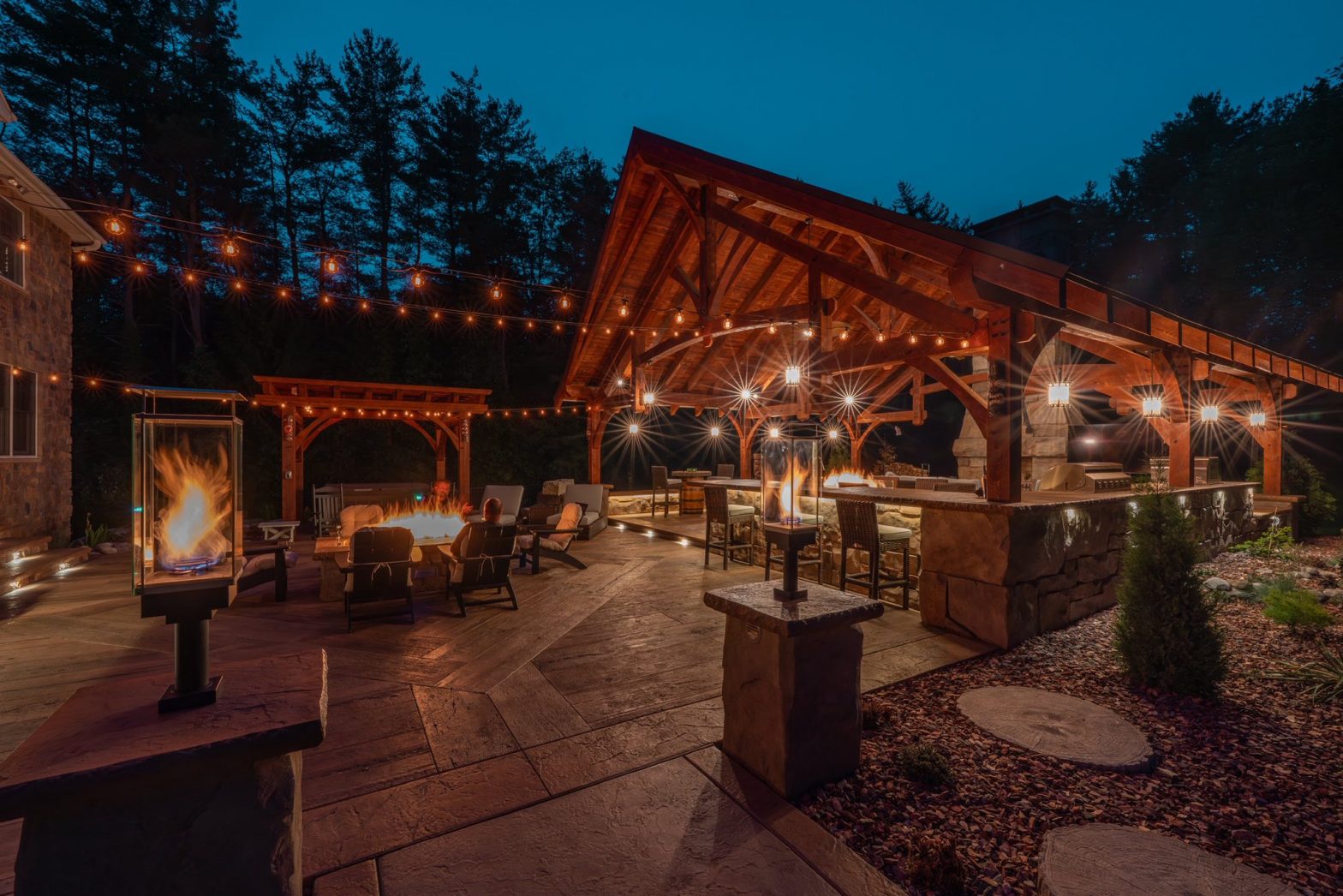
Stamped concrete can imitate natural stone, slate, brick, tile, and even wood, but the stamp pattern is only part of what creates that realistic appearance. Color is what gives stamped concrete its depth, contrast, and finished character.
So, how exactly is stamped concrete colored? Most stamped concrete uses a combination of:
- A primary or base color
- A secondary antiquing color
- A concrete sealer that enhances the finished appearance
The base color is usually created with either Integral Color or Color Hardener. The secondary color can be added using Antique Release or a product such as Texture Enhancer. Each coloring method works differently, and no single option is automatically better than another. The best system depends on the desired appearance, project conditions, contractor preference, budget, and installation process.
Two Main Ways To Color Stamped Concrete
The two most common methods for creating the base color of stamped concrete are Integral Color and Color Hardener. Both can produce attractive, long-lasting decorative concrete. However, the color is added at a different stage of the installation.
Integral Color 
Integral color is pigment added directly to the concrete mixture before the concrete is poured. Because the pigment is blended into the concrete, the cement paste is colored throughout the slab. The pigment does not color each individual aggregate particle in the concrete, but it does create color throughout the surrounding cement mixture. Integral color is commonly added at the ready-mix plant or introduced into the concrete truck using a premeasured color package.
What are the benefits of using Integral Color?
Integral color can offer several advantages:
- The base color is mixed throughout the concrete.
- The concrete arrives at the jobsite already colored.
- Contractors do not need to broadcast a dry coloring material over the entire surface.
- It can make it easier for the crew to focus on placing, finishing, and stamping the concrete.
- It creates an excellent base color for Antique Release or Texture Enhancer.
Integral color is often a practical choice for large patios, pool decks, walkways, and stamped concrete driveways.
Does Integral Color Go Through The Entire Slab?
Yes, integral pigment is dispersed throughout the concrete mixture. However, that does not automatically make integral color better than a surface-applied color hardener. The visible portion of stamped concrete is still its finished surface. Popouts or surface damage may still occur on integrally colored concrete and will remain visible.
Proper batching, mixing, placement, curing, washing, sealing, and maintenance all influence the final appearance. Integral color may also appear uneven, dark, light, or dull while the concrete is curing. Homeowners should avoid judging the final color immediately after the concrete is poured. It can take approximately 28 to 30 days for concrete to cure and for the color to settle toward its final appearance.
Color Hardener 
Color hardener is a dry, pigmented powder applied to the surface of freshly placed concrete. The contractor broadcasts the powder over the wet concrete and works it into the surface during the finishing process. The concrete is then stamped after the color hardener has been properly incorporated. Unlike integral color, color hardener does not color the entire concrete mixture. It creates a colored, densified layer at the surface.
What are the benefits of color hardener?
Color hardener can provide:
- Rich, vibrant surface color
- A wider range of possible colors
- Increased surface density
- Improved resistance to surface wear
- Greater control over custom color effects
- The ability to use multiple colors on one project
Because color hardener contains cement, pigments, and other fine materials, it can create a harder and more abrasion-resistant surface when properly applied. Color hardener is especially useful when a contractor wants to create bold colors, detailed borders, multiple-color areas, or realistic variations resembling natural stone.
Why Can Color Hardener Cost More?
Applying color hardener takes additional time, labor, and experience. The contractor must evenly broadcast the material, allow it to absorb moisture from the concrete, and carefully work it into the surface. This process may need to be repeated to produce complete and consistent coverage. That extra work can make color hardener more expensive than integral color on some projects.
Integral Color vs. Color Hardener: Which Is Better?
There is no universal winner in the integral color vs. color hardener debate. Both systems are widely used for stamped concrete, and both can produce excellent results.
Integral Color may be preferred when:
- The contractor wants a more efficient placement process.
- The project covers a large area.
- When jobsite cleanliness is preferred.
- Interior stamped concrete projects.
Color Hardener may be preferred when:
- A brighter or more specific surface color is desired.
- The project needs a denser, more wear-resistant surface.
- Multiple colors or custom effects are being created.
- Borders, bands, steps, or detailed areas need separate colors.
Some contractors also combine integral color and color hardener. For example, integral color may be used throughout the concrete, while a coordinating color hardener is added to selected areas to create more variation. The right choice depends on the design and the contractor’s preferred installation system.
Why Does Stamped Concrete Usually Have More Than One Color?
Most stamped concrete does not use one flat, uniform color. Natural stone, slate, brick, and wood contain variation. Their surfaces include darker joints, lighter high spots, shadows, veins, and changing tones. To reproduce that appearance, stamped concrete commonly uses:
- A base color created with integral color or color hardener.
- A secondary color concentrated in the lower areas of the stamped texture, known as antiquing.
This secondary color is what helps the pattern look deeper and more realistic. The contrast can be dramatic, such as a light tan base with a dark charcoal accent. It can also be subtle, such as two similar shades of brown or gray.
Antique Release 
Antique Release is a dry powder applied before the concrete is stamped. It serves two important purposes.
- It acts as a bond breaker between the wet concrete and the stamping tools. This helps prevent the stamps from sticking to and damaging the concrete surface.
- Antique release contains pigment that creates a secondary accent color.
As the stamps are pressed into the concrete, some of the release color is impregnated into the grout lines, joints, and lower portions of the texture. After the excess powder is removed, a portion of the accent color remains behind. This creates the darker shadows and color variation commonly associated with stamped concrete.
Does Release Powder Stay on the Concrete?
No. Antique release is not intended to remain as a solid layer covering the entire surface. After the stamped concrete has set, typically the following day, the contractor washes away the excess release according to the product instructions.
Liquid Release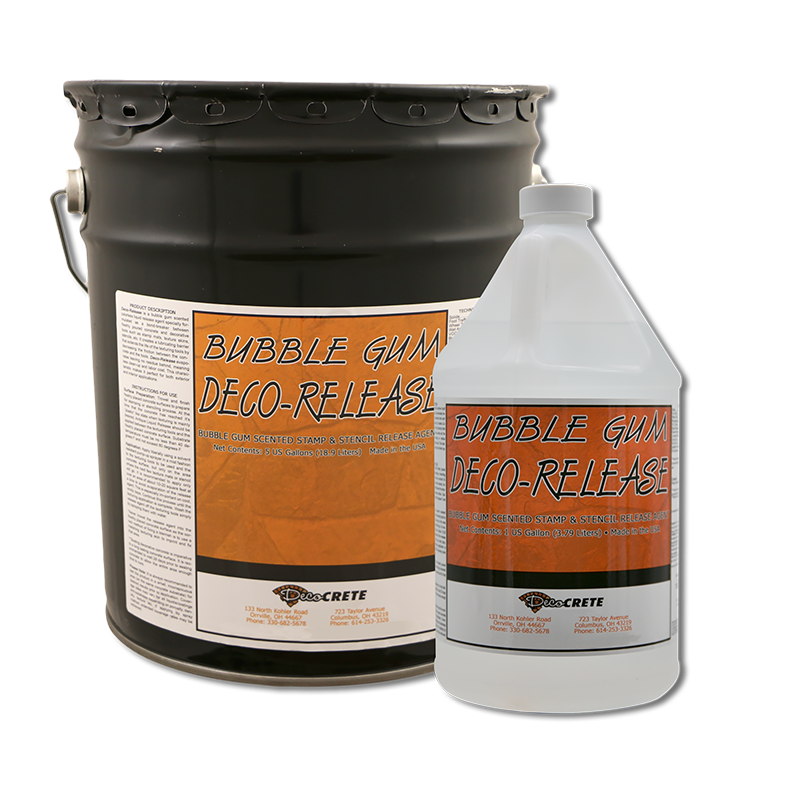
Clear liquid release performs the bond-breaking portion of the stamping process without adding an accent color. It is applied to help keep the stamping tools from sticking to the wet concrete. Another coloring method is normally used later if the project needs a two-tone or antiqued appearance. Liquid antiquing products, like Texture Enhancer, are the preferred method for creating the accent colors after the stamped concrete has been washed and prepared.
Texture Enhancer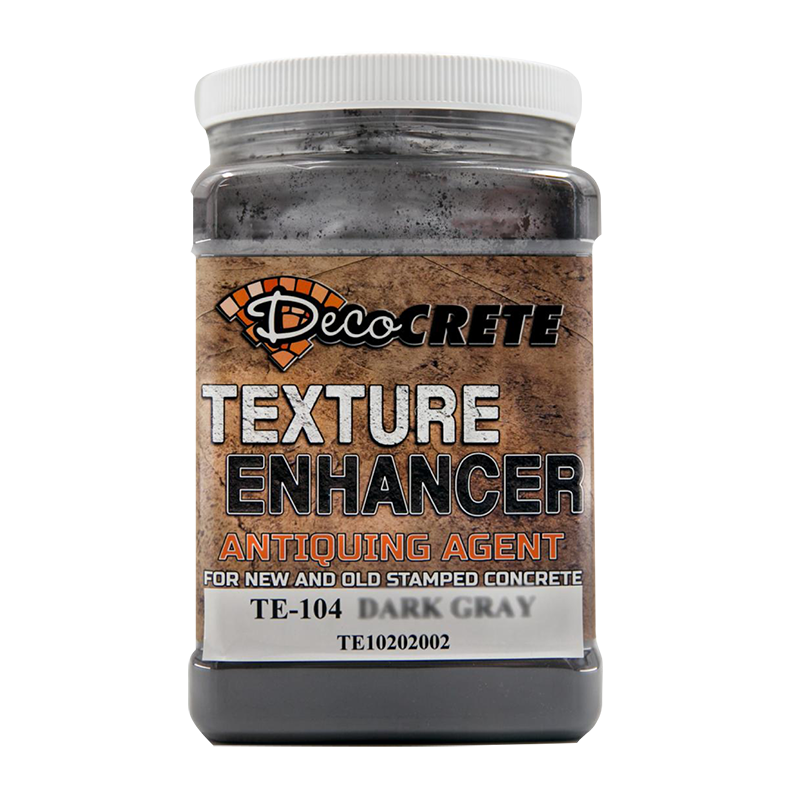
Texture Enhancer is a pigmented antiquing material mixed with water and applied to stamped or textured concrete. The water carries the pigment across the surface. As the material is worked over the surface, pigment settles into the grout lines, joints, and lower areas of the stamp pattern. The higher areas retain less material, which helps create natural-looking color variation and highlights the texture's depth.
Texture Enhancer may be used when:
- Clear liquid release was used during stamping
- Additional antiquing color is needed
- The original contrast needs to be adjusted
- A contractor wants more control over the secondary color
- Previously colored stamped concrete is being restored or recolored
Texture Enhancer and powdered antique release can both create a contrasting color, but they are applied during different stages of the stamped concrete process.
Does Sealer Change Stamped Concrete Colors?
Stamped concrete often looks lighter, chalkier, or duller after it has dried but before it has been sealed. This is normal. Concrete sealer enhances the surface and helps bring out the base color, accent color, and stamped texture. Depending on the sealer selected, it may also add anything from a natural-looking finish to a noticeable satin or gloss appearance. Sealer can also help protect decorative concrete from moisture, dirt, staining, and normal surface wear. The exact color and sheen will depend on the concrete, coloring products, sealer type, and surface porosity.
How Can You Preview Stamped Concrete Before It Is Sealed?
A contractor may wet the area down with water to provide a general preview of how the colors could deepen after sealing. While wet, the base color and secondary accents become more noticeable. This can make it easier to evaluate the overall color combination before sealer is applied. However, the water test is only a preview.
The final color, depth, and sheen can still vary depending on the sealer being used. The contractor should always follow the sealer manufacturer’s preparation and application instructions.
Why Does New Stamped Concrete Change Color?
Newly poured colored concrete can change considerably during the first several days and weeks. The surface may initially look:
- Darker than expected
- Lighter than expected
- Uneven or blotchy
- Dull after drying
- Different from the color chart
- Different in shaded and sunny areas
Concrete contains moisture, and that moisture does not leave the slab all at once. Differences in curing, temperature, sunlight, finishing, washing, and surface moisture can temporarily affect the appearance. When integral color is used, give the concrete approximately 28 to 30 days to cure before making a final judgment about its color.
Contact the contractor if there are concerns, but do not panic simply because the concrete does not match the color chart during the first few days or even weeks.
Will Stamped Concrete Match a Color Chart Exactly?
Stamped concrete color charts should be viewed as selection guides rather than exact guarantees. The finished color can be influenced by a variety of different things, but most often:
- Cement variations
- Aggregate and sand
- Water content
- Concrete mix design
- Weather conditions
- Finishing techniques
- Curing conditions
- Release color
- Washing methods
- Sealer selection
- Sealer application
- Surrounding lighting
Printed charts and colors viewed on a phone or computer screen can also appear different from the actual material. Whenever possible, review physical samples and completed projects. Your contractor may also be able to create a sample using the planned base color, release color, stamp pattern, and sealer.
Choosing Your Stamped Concrete Colors
Choosing stamped concrete colors is easier when you start with the property's overall style. Consider the colors already present in:
- House siding
- Brick or stone
- Roof
- Trim
- Landscaping
- Retaining walls
- Outdoor furniture
- Nearby concrete
For a natural appearance, select colors that work with the stamp pattern. Warm browns, tans, and sandstone colors often complement wood, flagstone, and textured stone patterns. Grays and charcoals can work well with slate, limestone, ashlar patterns, and more modern designs.
A secondary color that is slightly darker than the base creates subtle depth. A much darker secondary color creates stronger contrast and more noticeable grout lines.
Ask your contractor to show you examples of completed projects, not only individual color chips.
Questions to Ask Your Stamped Concrete Contractor
Before approving a stamped concrete color combination, ask:
- Are you using integral color or color hardener?
- What will create the secondary or antiquing color?
- Are you using powdered release or clear liquid release?
- What sealer will be used?
- Will the sealer create a natural, satin, or glossy finish?
- Can I see completed projects with a similar color combination?
- How long should I wait before judging the finished color?
- What maintenance and resealing will be required?
Understanding the full coloring system is more useful than selecting a single color name.
Creating the Right Stamped Concrete Color Combination
The finished color of stamped concrete is rarely achieved by a single product alone. A typical stamped concrete project may include:
- Integral color or color hardener for the base
- Antique release or texture enhancer for contrast
- A decorative stamp pattern for texture
- Sealer to enhance and protect the finished surface
Both integral color and color hardener can produce excellent results. Powdered antique release and texture enhancer are also effective ways to create the secondary color that makes stamped concrete look realistic. The most important step is understanding which system your contractor plans to use and viewing the colors as a complete combination rather than as isolated samples.